Resource & product exposure
Compare oil, gas and refined-product positions, including quality differentials, processing requirements and demand concentration.
Oil & Gas
From exploration positions and producing fields to processing, transport and refining, we connect portfolio choices with asset economics, operational performance and routes to market.
Explore our capabilities Discuss your priorities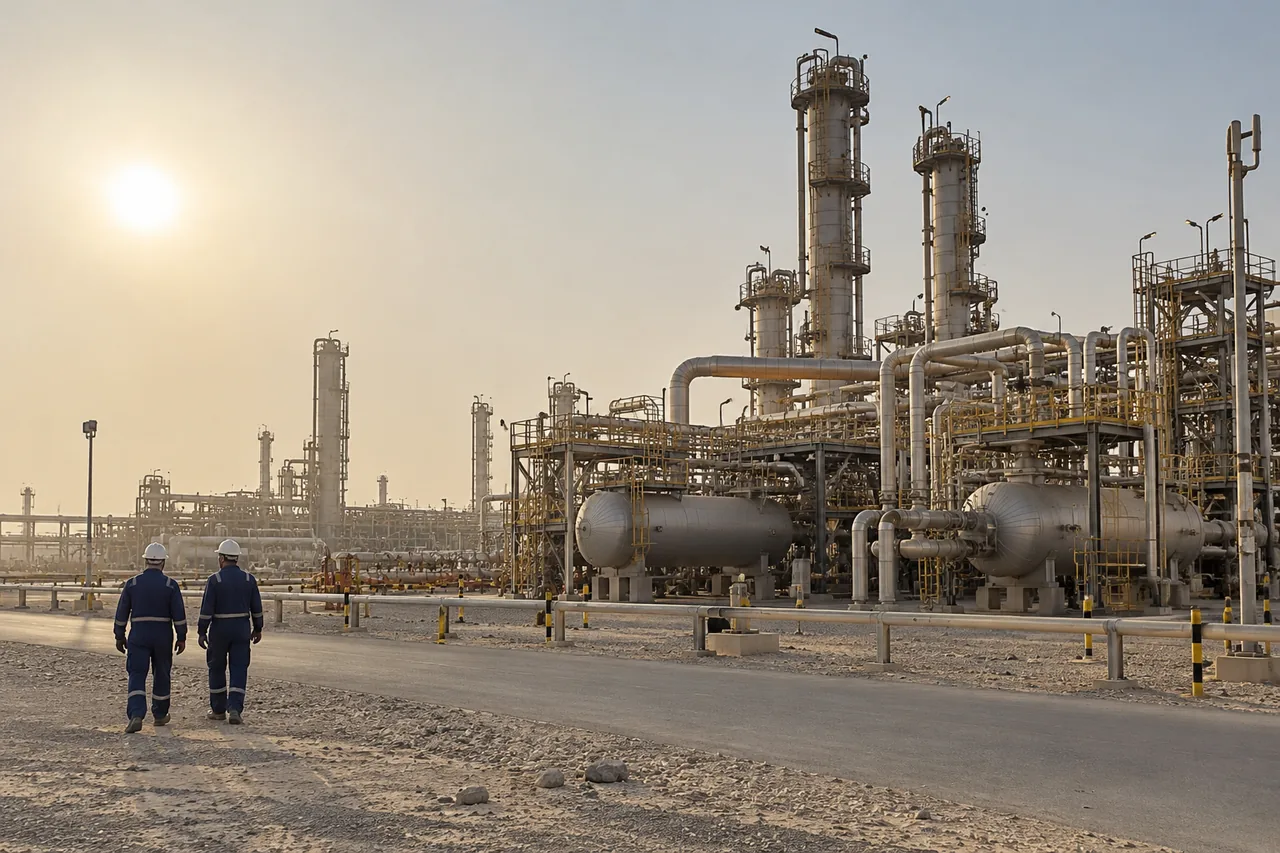 Khatera Oil & Gas advisory
An attractive field can be constrained by evacuation capacity. A refinery can run reliably yet struggle with its feedstock position or product market. We help leadership teams understand these connections, challenge investment assumptions and translate corporate ambition into choices about ownership, development, operations and commercial exposure.
Explore the scope of each capability and the practical outputs an engagement can deliver.
A portfolio direction supported by explicit investment choices and decision criteria.
A transparent view of value drivers, unresolved questions and decision gates.
A transaction thesis that connects the investment case to post-deal execution.
A prioritised improvement agenda across the physical and commercial chain.
An operating model and technology roadmap tied to specific business needs.
A recovery programme with clear priorities, ownership and progress measures.
For multinational groups, standalone asset rankings are only a starting point. We examine how holdings interact, where risks accumulate and which combinations support the company’s strategic and financial objectives.
Compare oil, gas and refined-product positions, including quality differentials, processing requirements and demand concentration.
Balance exploration and development commitments with producing assets, sustaining capital and late-life obligations.
Map country concentration, fiscal assumptions, partner alignment and the practical influence available within each ownership structure.
Identify shared dependencies on pipelines, processing plants, terminals, shipping routes and contracted capacity.
Test downside cash exposure, development optionality and the ability to adapt as operating conditions and customer requirements change.
The output: a comparative portfolio view, a sequenced capital agenda and explicit choices about where to grow, improve, partner or exit.
Each link has distinct economics. Our work connects these stages without assuming that ownership of the whole chain is always the right answer.
Shape opportunity portfolios, screening criteria and staged commitments around subsurface uncertainty and access to future markets.
Compare concepts, development sequences and partner arrangements against capital requirements, delivery risk and infrastructure readiness.
Review production economics, uptime, work programmes and cost drivers across the producing asset base.
Assess gas processing, pipelines, LNG interfaces and terminals through capacity, tariff, logistics and utilisation economics.
Connect crude selection, refinery configuration, reliability and product yields with regional supply and market-placement options.
Develop customer propositions, contract structures and distribution choices grounded in delivered margin and service requirements.
Asset performance and market performance belong in the same investment discussion. We examine the terms and relationships that turn physical output into cash.
Review benchmark exposure, quality differentials, transport deductions and contract formulas to understand realised prices and margins under alternative conditions.
Identify suitable customer segments and counterparties, assess offtake options and define propositions around volume, specification, delivery reliability and flexibility.
Compare contract duration, volume commitments, capacity charges and delivery obligations, including their effect on asset utilisation and commercial flexibility.
Illustrative engagement scopes, shaped around your assets, priorities and available evidence.
For a group considering where to concentrate investment, establish comparable asset cases and examine dependencies across countries and value-chain positions.
Connect the resource base, processing concept and transport capacity with customer demand and prospective commercial arrangements before advancing the investment case.
Assess whether weak returns arise from reliability, feedstock costs, logistics or market position, then structure an operational and commercial recovery agenda.
Discuss an asset, a transaction or a portfolio challenge. We can help frame the choices, identify the evidence needed and define a practical path forward.
Discuss your priorities